
Some filters could not be applied and were reset.
-
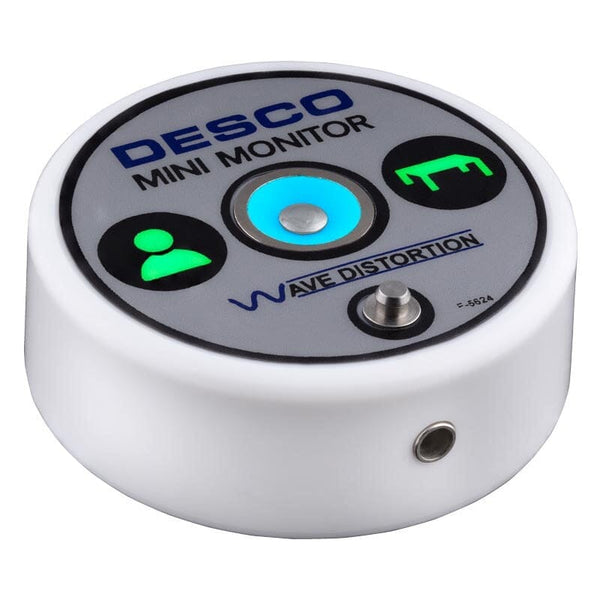 Sale Desco 19341 Continuous Mini Monitor, North America Power Adapter $169.58
 Regular price $178.50 -
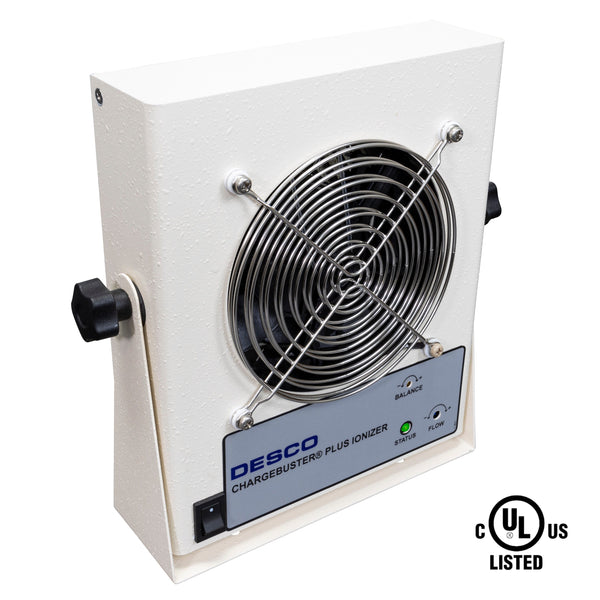 Sale Desco 60503 Chargebuster Plus Single-Fan Ionizer, North America $747.18
 Regular price $786.50 -
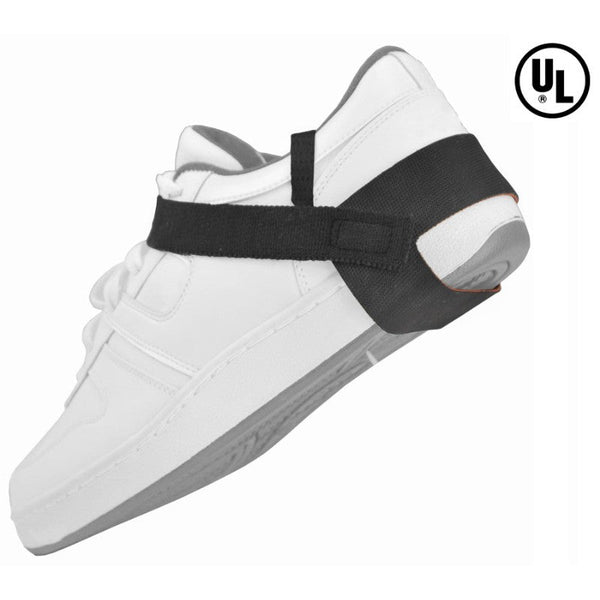 Sale Desco 07560 Foot Grounder, Heel with 1Meg Resistor $10.48
 Regular price $11.03 -
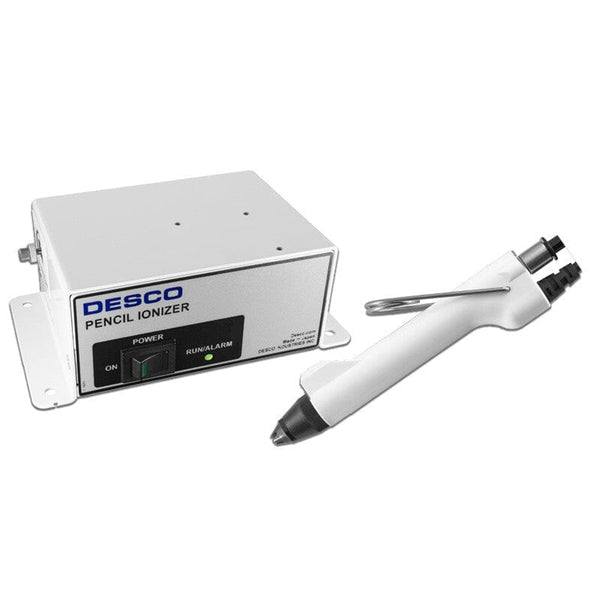 Sale Desco 50692 - Pencil Type Ionizer $1,254.00
 Regular price $1,320.00 -
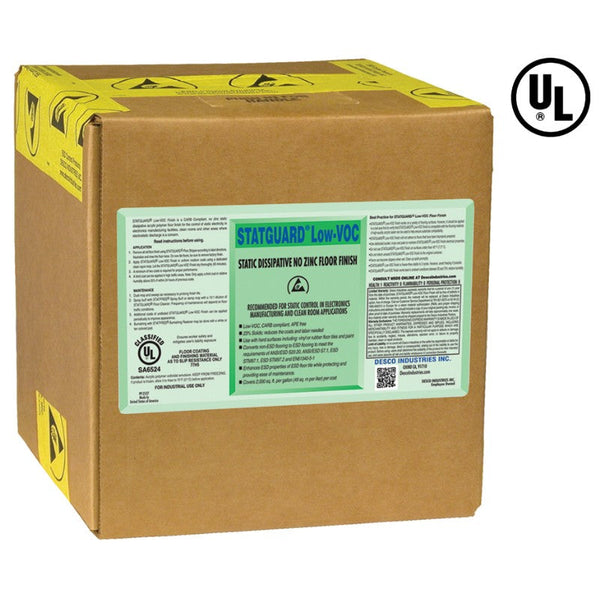 Sale Statguard Low-VOC Floor Finish, 2.5 Gal $145.88
 Regular price $153.56 -
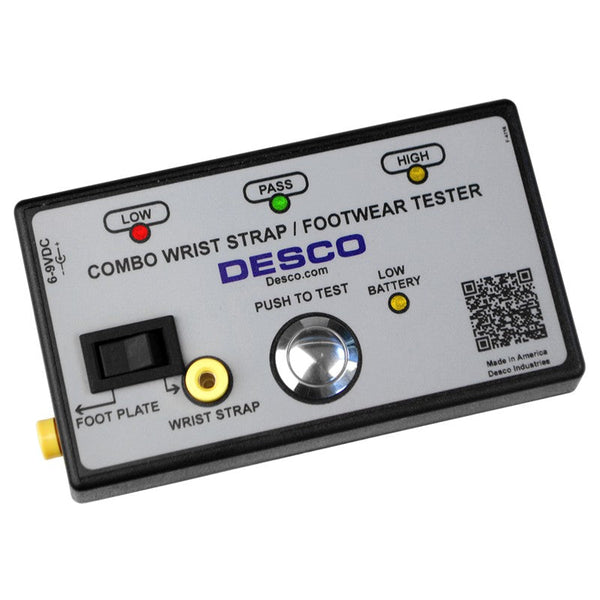 Sale Desco 19280 Wrist Strap and Footwear Combo Tester $298.09
 Regular price $313.78 -
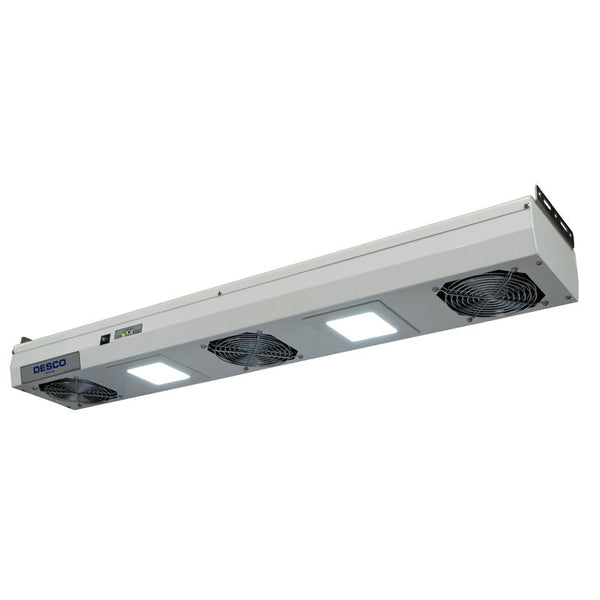 Sale Desco 60468 Chargebuster® Overhead Ionizer with Lights, 3-Fan, 120VAC $1,385.58
 Regular price $1,458.51 -
 Sale Desco Analog Surface Resistance Meter Kit $783.89
 Regular price $825.15 -
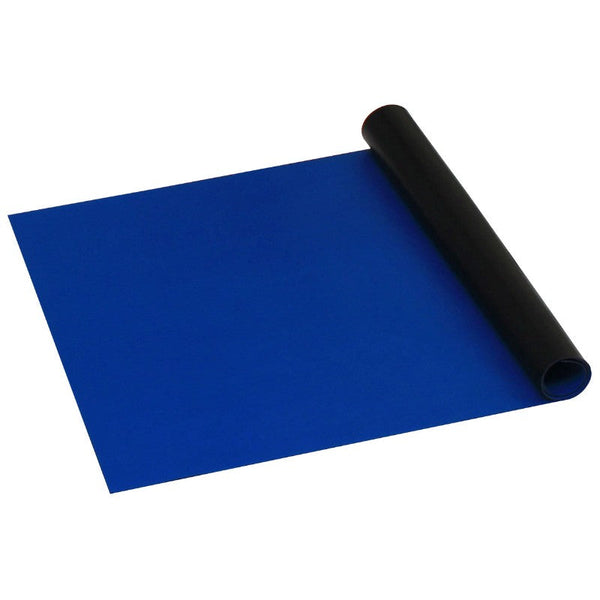 Sale ESD Worksurface Mat, Dual Layer Rubber, Dark Blue Roll .060" x 30" x 50' $1,014.57
 Regular price $1,067.97 -
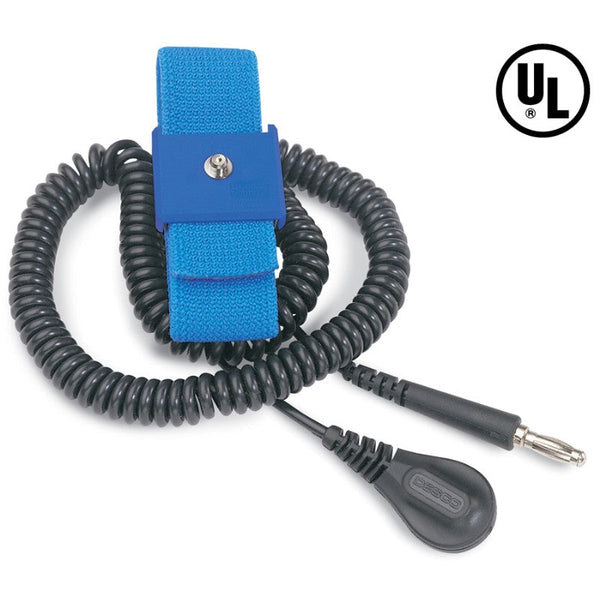 Sale Desco 09070 Elastic Adjustable Wrist Strap, 6 Ft Coil Cord, 4mm Set $20.81
 Regular price $21.91 -
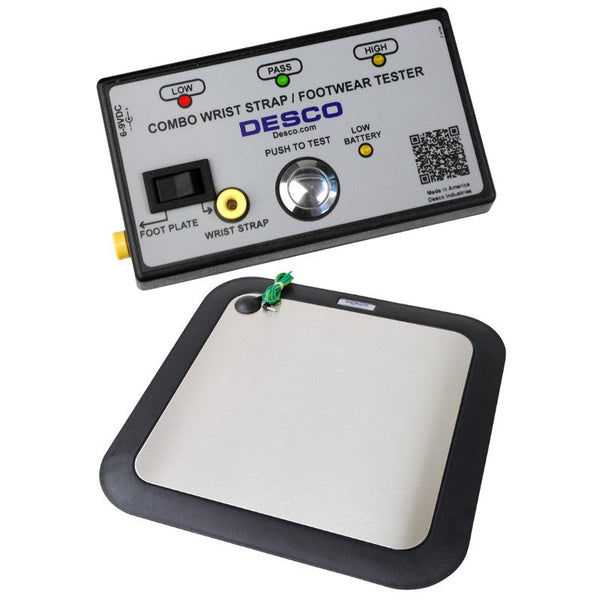 Sale Desco 19283 Wrist Strap and Footwear Combo Tester with Footplate $395.49
 Regular price $416.31 -
 Sale Label, Attention, RS-471, 2" x 2", 500/Roll $15.07
 Regular price $15.86 -
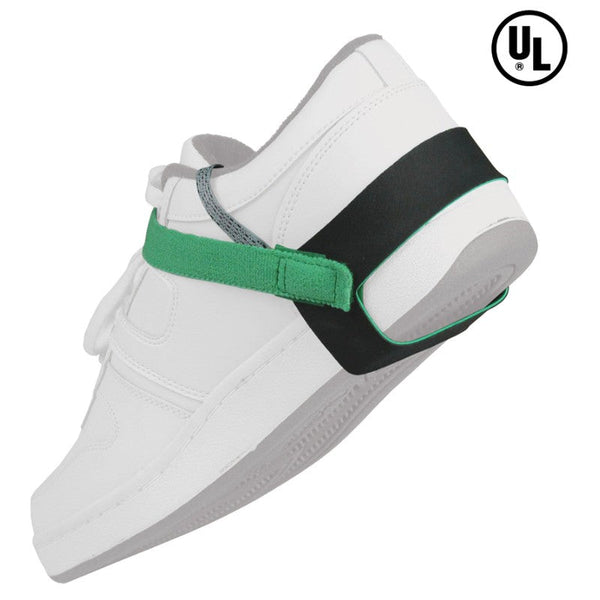 Sale Desco 17260 Foot Grounder, Heel, Green, with 2Meg Resistor $12.64
 Regular price $13.31 -
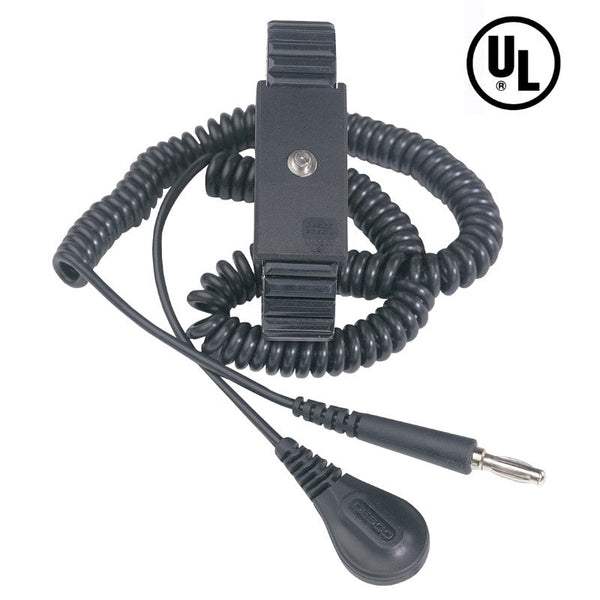 Sale Desco 09085 Adjustable Metal Wrist Strap Kit - 6 Foot Coil Cord Set $35.70
 Regular price $37.58 -
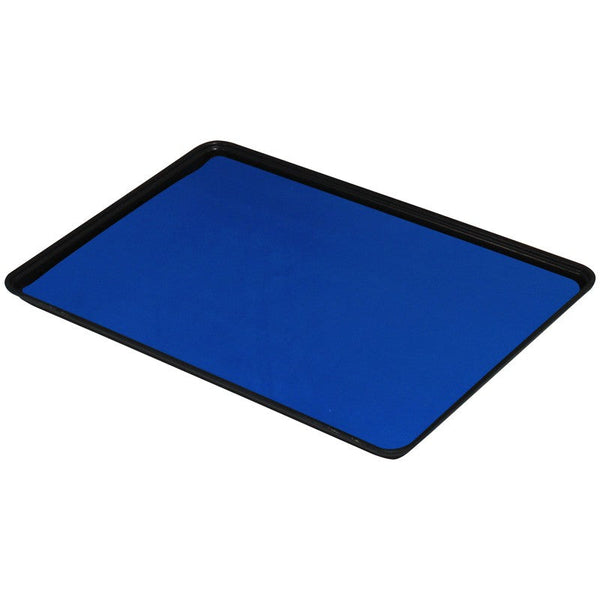 Sale ESD Dual Layer Rubber Tray Liner, Dark Blue .060" x 16" x 24" $48.79
 Regular price $51.36 -
 Sale Desco Statshield® Smock, Jacket with Convertible Sleeves, Snap Cuffs, Blue, Large $48.81
 Regular price $51.38 -
 Sale Desco Static Shield Bag, MIL-PRF-81705E Type III, Class 2, 81705 Series Metal-In 3x5 100/EA $13.18
 Regular price $13.87 -
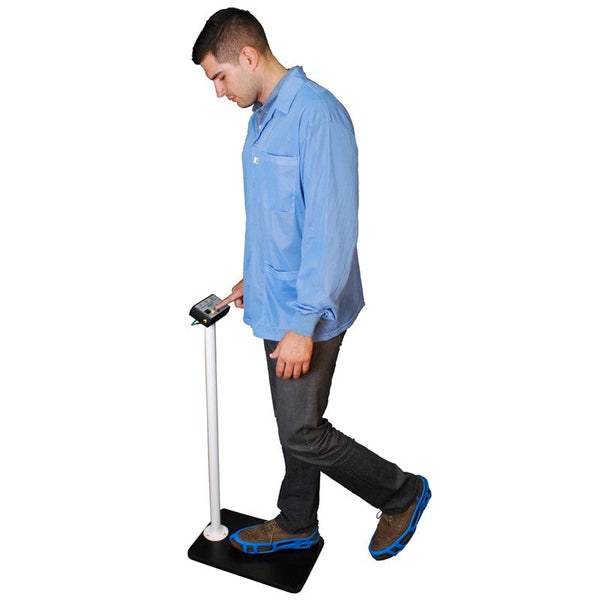 Sale Desco 19282 Wrist Strap and Footwear Combo Tester with Stand and Footplate $484.83
 Regular price $510.35 -
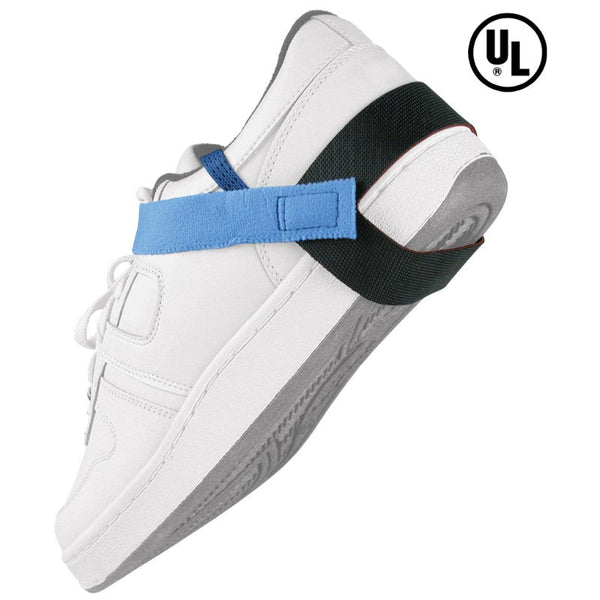 Sale Desco 17200 Foot Grounder, Heel, Blue with 1Meg Resistor $12.10
 Regular price $12.74 -
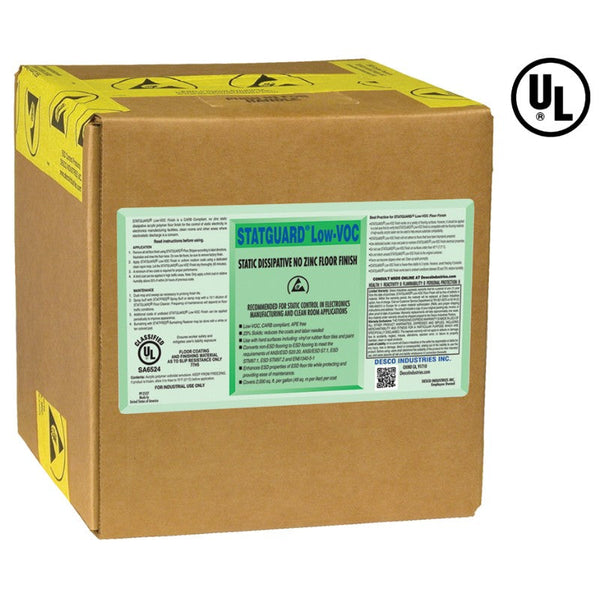 Sale Statguard Low-VOC Floor Finish, 5 Gal $282.14
 Regular price $296.99 -
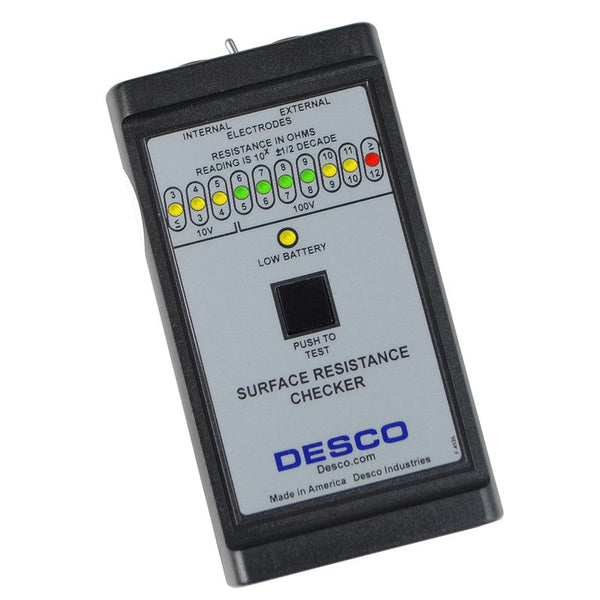 Sale Desco Surface Resistance Checker $406.93
 Regular price $428.35 -
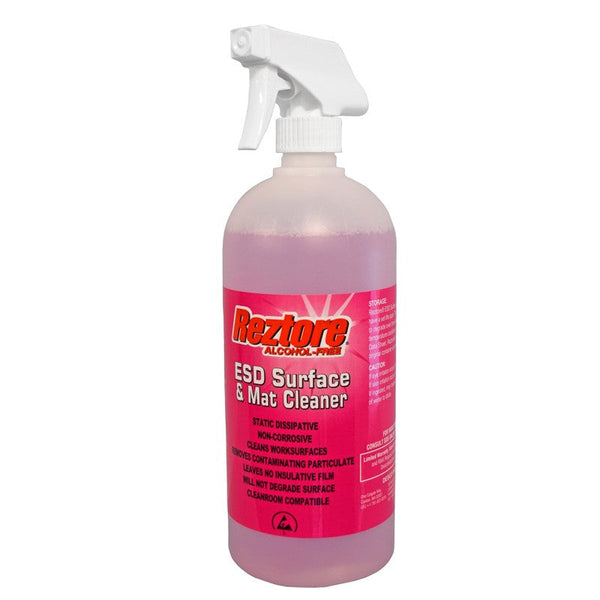 Sale Reztore® Antistatic Surface & Mat Cleaner, 1 Quart Spray $11.57
 Regular price $12.18 -
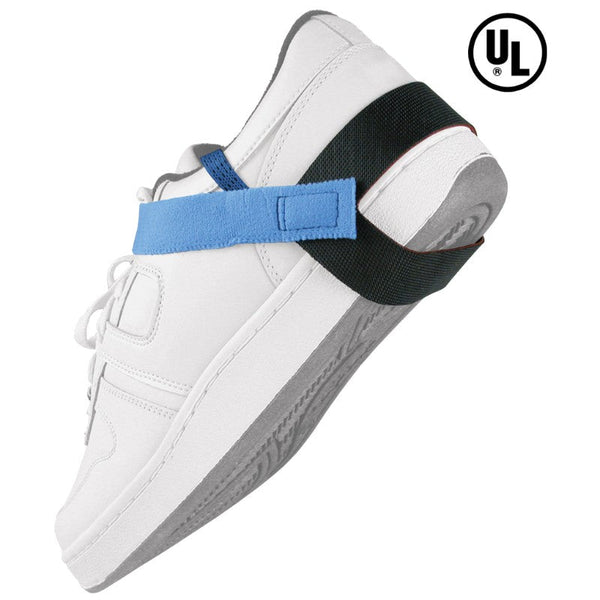 Sale Desco 17202 Foot Grounder, Heel, Blue with 2Meg Resistor $12.71
 Regular price $13.38 -
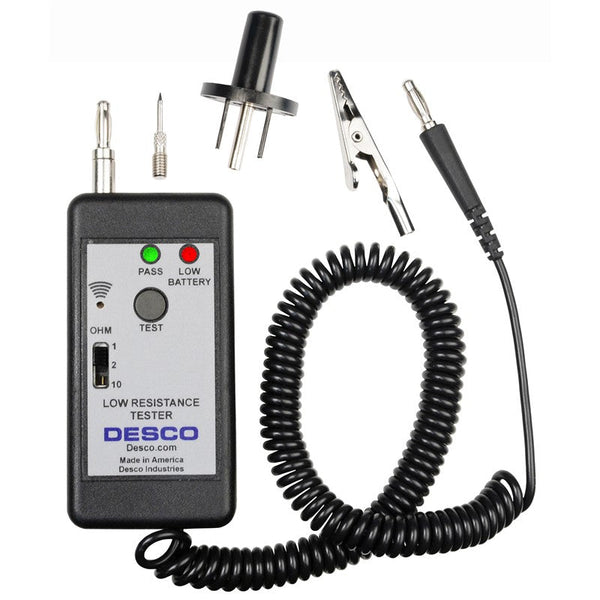 Sale Desco 19249 Low Resistance Tester 1/2/10 Ohms $148.33
 Regular price $156.14


Desco manufactures ESD control products used in the electronics production industry, including wrist straps, foot grounders, worksurface mats, shielding bags, floor finish, floor mats, ionization, smocks, workstation monitors and ESD audit equipment. Desco ESD surveys can be used as a way to benchmark an ESD Control Plan, improve the existing the plan, or prepare for an audit. Using the ESD Association’s ANSI/ESD S20.20-2014 standard for development of an Electrostatic Discharge Control Program, a Desco representative will take measurements and make notes based on existing ESD Control Plan. Every survey is then reviewed by a NARTE certified ESD technician who will provide a written report, recommendations and additional information for improving the existing program.